



Turning raw motion data into 12 gait metrics providers can actually read
The software layer for a connected gait-analysis product, from Bluetooth capture through to provider review.
Performance change
Before and after
The baseline value will be added after CMS verification.
Before and after block
WHAT CHANGED
Before and after
What the hardware produced, against what the software delivers.
BEFORE Raw rotation and acceleration readings
AFTER 12 graph-ready gait metrics
This block works differently on this page. There is no business baseline to show, so it tracks the change in the data itself, which is the actual substance of the work.
Brief about the Problem
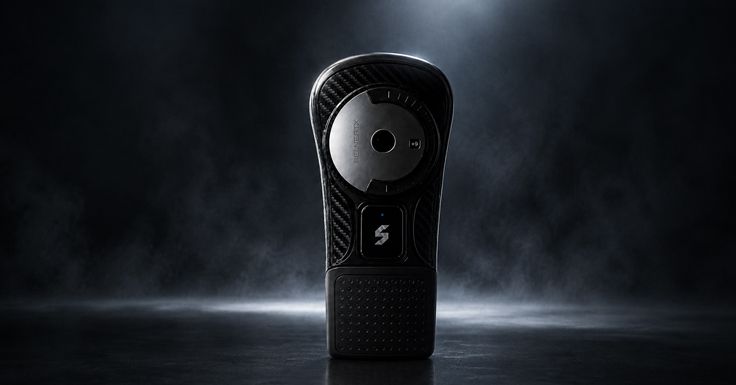
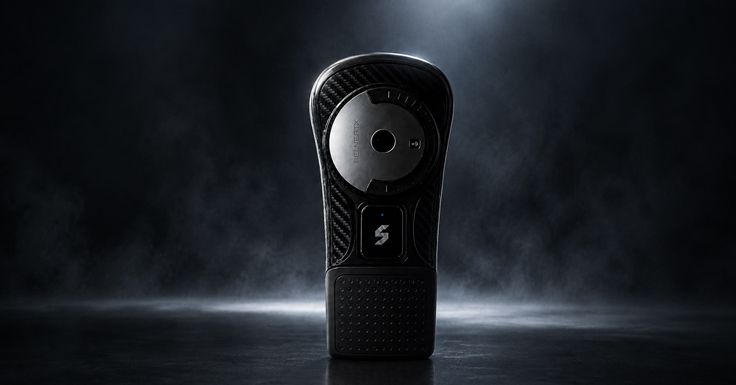
SelnerTX was developing gait-analysis technology built on connected foot-worn hardware. The devices could capture movement, but capture alone is not a product. Between a sensor on a shoe and a provider making a judgement sits a long chain of problems, and every one of them crosses a boundary.
Bluetooth permissions affect whether capture works at all. Sensor orientation affects whether the data means anything. Backend processing decides whether raw readings become usable metrics. Patient context decides how a session should be read. And provider review depends on clear analysis rather than a wall of device output.
Case Study Unveiled
The client needed more than a companion app. The software had to make that entire chain feel like one coherent flow rather than four separate products stitched together.
Mobile users needed a guided path from pairing a device through to finishing a capture. Providers needed a workspace that could organise patients, trials, logs and analysis without burying the signals worth looking at. And both needed to work from the same source of truth, which meant the metric calculation could not live inside either app.
What Did We Do
We built the product as one connected flow: pair and prepare the devices, calibrate left and right foot sensors, capture activity with session context, upload to the backend, calculate the metrics, then review them on web or mobile.
The mobile capture app, built in Expo and React Native, handles onboarding, authentication, device connection over Bluetooth, permission management, capture, activity logs and analysis views. It scans for recognised devices, reads rotation and acceleration samples, and uploads sensor batches for processing.
The Express and MongoDB backend connects both frontends and stores patient, activity, capture and analysis records. Critically, it also calculates the gait metrics centrally rather than pushing sensor interpretation into each client, so the web and mobile experiences visualise the same numbers the same way.
The React dashboard gives providers a structured workspace: patient lists, capture flows, activity logs, session analysis, comparative analysis, drilldowns and exportable activity reports.
A three-stage calibration protocol establishes the baseline: device alone on flat ground, device placed in the shoe, then the user standing in neutral posture. That gives the product a stronger reference point for interpreting movement captured in real-world conditions rather than lab conditions.
The Results
SelnerTX now has a connected software foundation for its gait-analysis product. Mobile capture sits close to the hardware, the backend handles shared data and metric calculation, and the dashboard gives providers a place to review sessions and compare them over time.
The analysis layer covers stride time, step time, stride length, cadence, swing time, step count, composite gait score, alignment, symmetry, consistency, safe range of motion and range of motion utilisation, with per-cycle drilldowns and historical trends built on top.
Bluetooth capture, calibration, backend processing, patient records, activity context and gait visualisation now run as one workflow, giving SelnerTX a base for pilots, stakeholder demos and continued product development.
Before this page goes live
Confirm the metric count. The headline says 12, and the twelve are listed in The Results. Your writer brief lists these outputs individually rather than stating a total, so have someone verify the number before it ships. A wrong count on the headline is worse than no count.
Do not add outcome figures. No adoption numbers, no user or clinic counts, no time saved, no percentage improvements. None of these are approved and the brief is explicit about it.
Do not add compliance or clinical language. No HIPAA, no FDA, no clinically validated, no diagnosis. This page says the software turns sensor data into metrics providers review, and it should stay at exactly that.
Confirm the naming for users. This copy says "providers" throughout. Check whether SelnerTX prefers clinicians, physical therapists, care teams or something else, and change it consistently.
Check the CKCROM decision. The closed kinetic chain range of motion protocol is deliberately left out of this draft. If SelnerTX wants that level of technical specificity, it can be added to the calibration paragraph.
Confirm product status. This page avoids saying the product is launched. If it is in pilot, MVP or internal testing, that framing may need to appear in the hero.
See More Case Studies.
















Want Similar Results?
Tell us which metric you need to move-visibility, CAC, conversion, pipeline, revenue or operating efficiency-and we’ll show you where to start.